









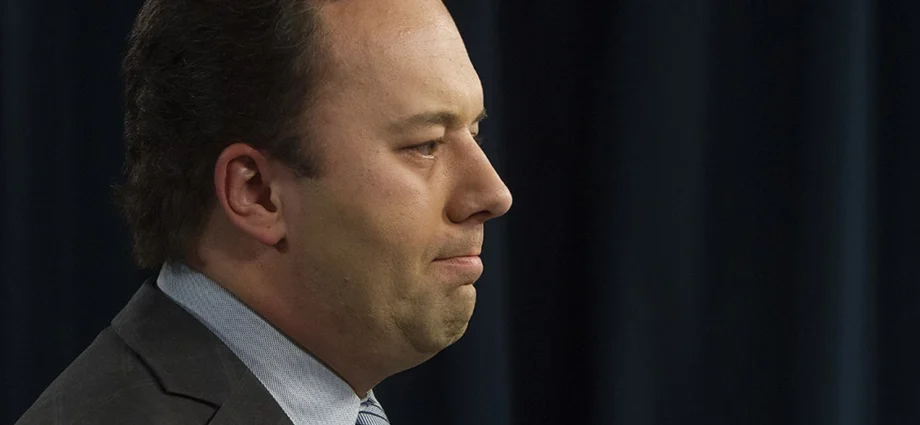
Jonathan Denis’s case is shaping up to be a notable clash between individual rights and institutional transparency.
What Happened
In 2022, Denis was asked to leave Tiffany & Co. in Calgary for not wearing a mask.
He told staff he was medically exempt due to asthma.
He filed a discrimination complaint with the Alberta Human Rights Commission.
The tribunal sided with Tiffany, ruling the company had taken reasonable steps to accommodate medically exempt patrons during the pandemic.
Denis then tried to have his name anonymized and the decision withheld from publication until his appeal was resolved. The tribunal rejected this, citing the importance of public transparency.
Current Legal Action
Denis’s firm, Guardian Law Group, argues Tiffany’s practices were discriminatory and that the Commission mishandled the case.
They claim the Commission:
Delayed the matter for four years.
Refused to investigate despite Denis being fully vaccinated.
Breached its own policy by publicly disclosing his private medical information.
Denis has now filed an appeal and is seeking damages against the Commission.
Why It Matters
Privacy vs. Transparency: Human rights tribunals in Alberta publish decisions openly, but Denis argues this violated his privacy.
Medical Exemptions: The case highlights the difficulty of enforcing mask mandates while respecting legitimate health exemptions.
Precedent: If Denis succeeds, it could reshape how human rights complaints involving medical information are handled and how much privacy complainants can expect.
This dispute isn’t just about one incident in a jewelry store—it’s about how institutions balance public accountability with individual privacy rights in sensitive health-related cases.
courtasy -co-pilot

Comments are closed, but trackbacks and pingbacks are open.